
Most websites still believe backlinks are the only way to rank. They chase guest posts, paid links, and outreach campaigns, thinking more links equal more authority. But that old playbook is fading fast in 2026.
Today, Google rewards content that shows real expertise, depth, and trust. If your technical content genuinely solves problems and demonstrates experience, you can build strong SEO authority without buying or begging for a single backlink.
This guide shows you exactly how. You will learn a practical, low-cost strategy that many SaaS and B2B companies are already using to rank higher, attract better traffic, and grow sustainably — all without relying on backlinks.
Why the Backlink Myth Is Dying
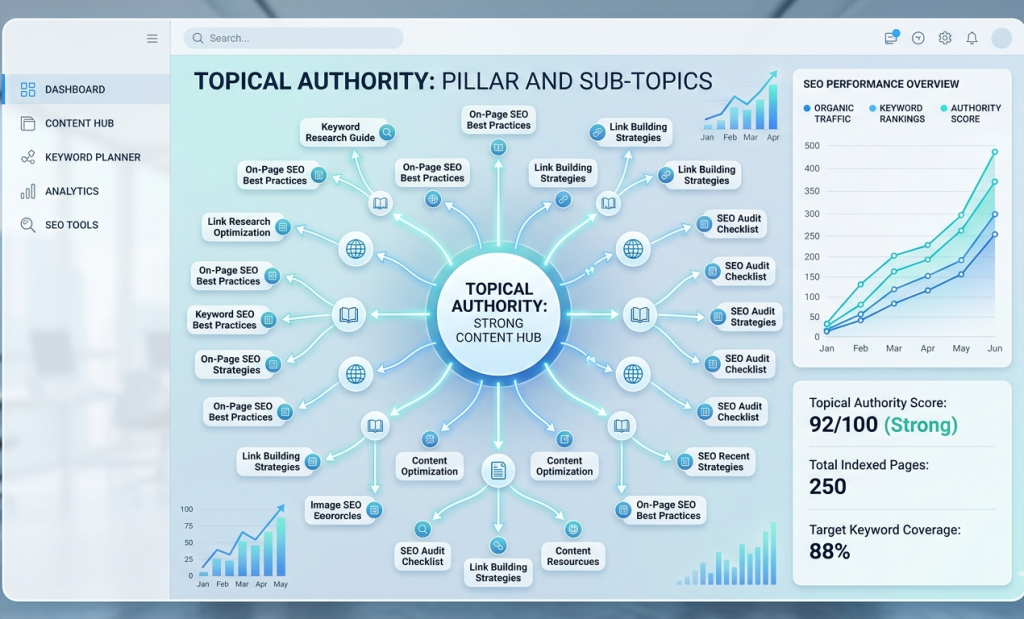
Backlinks used to be the king of SEO. Google’s algorithm gave heavy weight to the quantity and quality of incoming links. But the game has changed. Google’s focus has shifted toward E-E-A-T (Experience, Expertise, Authoritativeness, and Trust) and topical authority.
Modern AI-powered systems (RankBrain, BERT, MUM, and Gemini) now understand context, user intent, and content quality far better than before. They can recognize when a piece of content is genuinely helpful even if it has few external links.
For startups and small businesses, this is excellent news. You no longer need big budgets for link building. You can build authority through your own content.
What “Authority” Really Means in 2026
There are two types of authority:
- Domain Authority (old mindset): Based mostly on backlinks and domain age.
- Topical Authority (modern SEO): Based on how deeply and accurately you cover a specific topic.
Google now sees you as an authority when you consistently publish in-depth, experience-based content on one focused niche. This is far more powerful — and more accessible — than chasing random backlinks.
The Power of Technical Content for Authority Building
Technical content is not just “how-to” articles. It is content that demonstrates real expertise through clear explanations, real examples, case studies, data, and step-by-step solutions.
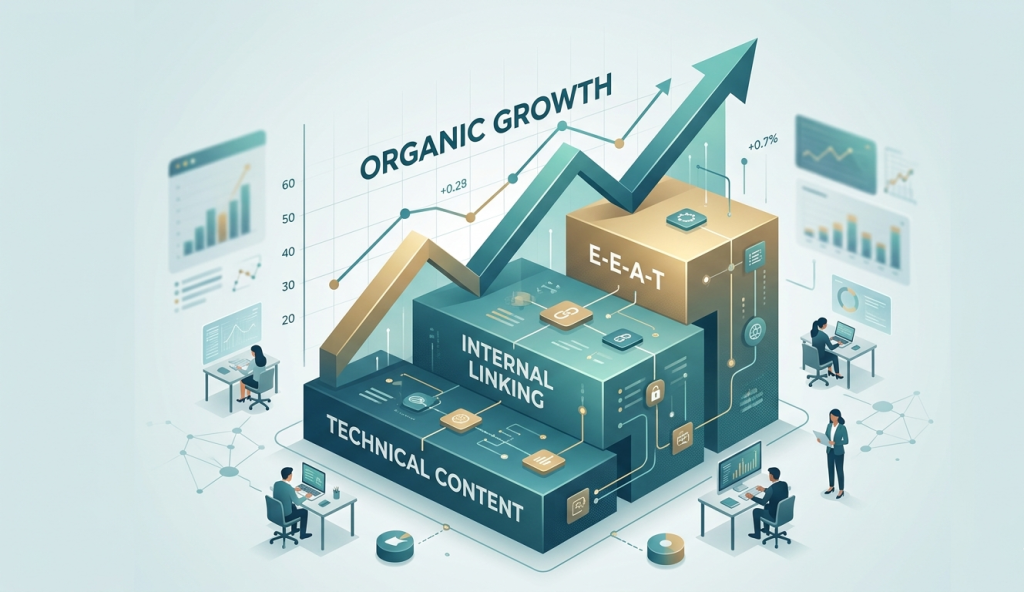
When done right, technical content does three powerful things:
- It matches the exact user search intent
- It builds topical authority naturally
- It earns trust without needing external validation
This is why technical content has become one of the strongest ranking signals in 2026.
How to Build Topical Authority Without Backlinks
The strategy is simple but powerful: become the most complete and trustworthy source on your chosen topic.
Step 1: Choose One Focused Niche. Pick a narrow topic where you have real experience. Do not try to cover everything. Depth beats breadth.
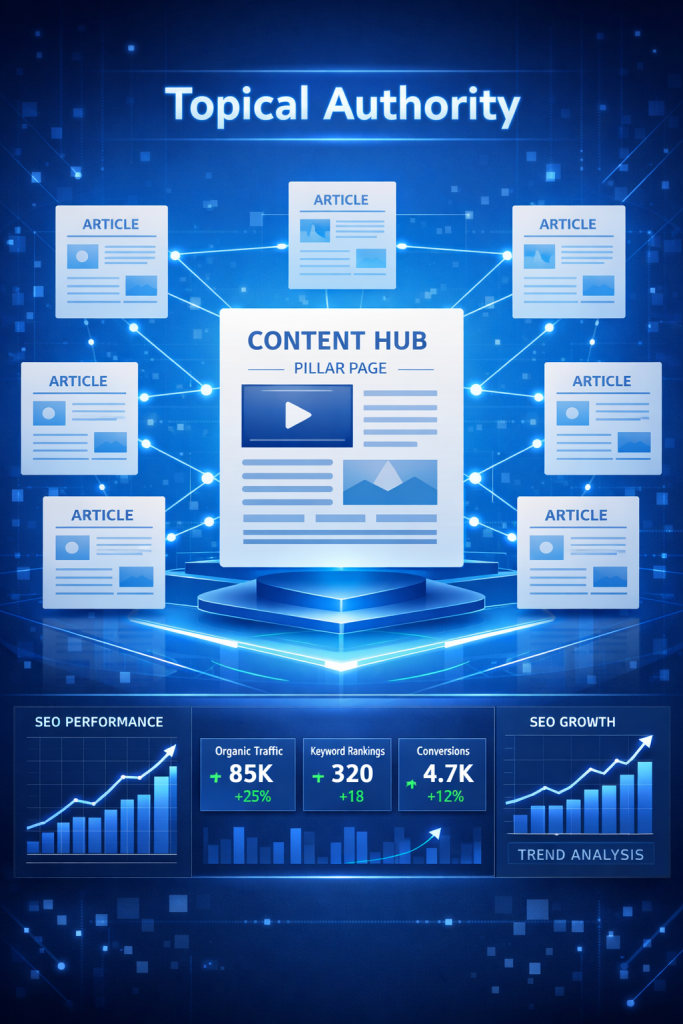
Step 2: Build a Content Cluster. Create a strong content cluster around your main topic.
- Pillar Page: One comprehensive guide (2,500–4,000 words) that covers the broad topic in detail.
- Supporting Articles: 10–20 in-depth blog posts that explore specific subtopics.
- Internal Linking: Connect every supporting article to the pillar page and to each other.
This cluster tells Google and AI systems that you are the go-to expert on this subject.
Example Content Cluster for a SaaS Project Management Tool
- Pillar Page: “The Ultimate Guide to Project Management for Small Teams in 2026”
- Supporting Posts:
- “How to Choose the Right Project Management Tool for Remote Teams”
- “10 Common Mistakes That Kill Team Productivity (and How to Fix Them)”
- “Step-by-Step Guide to Setting Up Task Automation in [Your Tool]”
- “Case Study: How a 12-Person Startup Reduced Project Delays by 47%.”
Every post links back to the pillar page and to related articles. This creates a self-reinforcing authority hub.
Write Experience-Based Technical Content That Ranks
Generic content no longer works. Google wants proof of real experience.
Best Practices for Technical Content:
- Write from real use cases and client stories
- Include screenshots, before-and-after results, and actual data
- Add personal insights and lessons learned
- Use clear step-by-step instructions
- Answer every likely follow-up question
Make your content so complete that readers feel they have the full answer and do not need to search elsewhere.
Internal Linking Strategy (Your Hidden Ranking Power)
Internal links are now more valuable than many external backlinks. They help Google understand relationships between your pages. They also keep users on your site longer and distribute authority across your cluster.
Pro Tips:
- Use descriptive anchor text
- Link from supporting articles to the pillar page
- Create logical linking paths that guide both users and crawlers
E-E-A-T in Practice
Show Experience, Expertise, Authoritativeness, and Trust in every major piece:
- Add author bios with real credentials and a photo
- Include case studies and verifiable results
- Use original data or research when possible
- Be transparent about what you know and what you don’t
This builds trust signals that Google and AI systems reward heavily.
Win SERP Features and AI Overviews
Structure your content to be easily extracted by AI:
- Start with a short, direct answer
- Use clear headings and subheadings
- Add FAQ schema and HowTo schema
- Use bullet points and numbered lists
These elements increase your chances of appearing in featured snippets and AI Overviews.
Practical 30-Day Action Plan
1. Week 1: Choose your core topic and write the pillar page outline.
2. Week 2: Write and publish the pillar page.
3. Week 3: Create 3–4 supporting articles and link them properly.
4. Week 4: Add schema markup, optimize internal links, and promote the cluster on social media and communities.
Week 1: Choose Your Core Topic & Plan Your Pillar Page
Start by selecting one niche topic you want to own. This should match your service and audience needs.
For example:
- “Technical blog writing for SaaS”
- “SEO for SaaS startups”
Research what your audience is searching for. Use tools and check competitors. Look for gaps you can fill better.
Now create your pillar page outline:
- Main topic (broad keyword)
- 8–12 subtopics (supporting ideas)
- Questions users are asking
Keep your structure simple and clear. This will guide all your future content.
Goal: Build a strong content foundation.
Week 2: Write and Publish the Pillar Page
Now turn your outline into a full, high-quality article.
Your pillar page should:
- Cover the topic deeply
- Answer real user problems
- Be easy to read
Include:
- Clear headings (H1, H2, H3)
- Short paragraphs
- Examples and practical tips
Focus on experience-based writing. Share insights, not just theory.
Before publishing:
- Optimize title and meta description
- Add internal links (if available)
- Check page speed and mobile usability
Goal: Create one powerful page that can rank.
Week 3: Create Supporting Articles (Topic Cluster)
Now build supporting content around your pillar page.
Write 3–4 articles that cover subtopics.
Example:
If your pillar is “Technical Blog Writing for SaaS”:
- “How to simplify complex SaaS content.”
- “Common SaaS content mistakes”
- “SEO tips for technical blogs”
Each article should:
- Target one specific keyword
- Solve one problem clearly
Now connect everything:
- Link each article to the pillar page
- Link the pillar page back to them
This creates a topic cluster, which helps Google understand your authority.
Goal: Show depth and expertise in one niche.
Week 4: Optimize, Enhance & Promote
Now improve and amplify your content.
1. Add Schema Markup
Use structured data to help Google understand your content:
- FAQ schema
- HowTo schema
- Article schema
This can improve visibility in search results.
2. Optimize Internal Linking
Review all your pages:
- Add more contextual links
- Use clear anchor text
- Make navigation smooth
This improves both SEO and user experience.
3. Promote Your Content
Share your content where your audience is active:
- Facebook groups
- Relevant communities
Do not spam. Share helpful insights with your links.
Goal: Get initial traffic and engagement.
Track Your Progress Monthly
Use Google Search Console to monitor:
- Keyword rankings
- Clicks and impressions
- Indexed pages
Look at what is working and improve weak pages.
SEO takes time. Results may not come instantly, but consistency wins.
Conclusion
You no longer need to chase backlinks to build authority.
Focus on one niche, create deep technical content, build strong topic clusters, and demonstrate real experience. This modern approach is more sustainable, more effective, and far cheaper than traditional link building.
Start today. Pick one topic you truly understand. Write your first pillar page. Build your first content cluster. Over time, your content will become the authoritative source that Google and users trust.
What niche topic do you want to own? Share it in the comments below, and I’ll help you map out your first content cluster. Ready to build real authority?
Open a new document right now and start writing. Your future customers are already searching — make sure they find you.
