
The modern traveler doesn’t start planning at a travel agency’s front desk. They start with a search bar.SEO matters for travel agencies for guiding. Whether they’re looking for curated tour packages, affordable flights, trusted local guides, or exclusive hotel deals, their journey begins online. If your agency isn’t visible when those high-intent searches happen, you’re not just losing traffic. You’re handing ready-to-book customers directly to your competitors.
The Real Value Lies in High-Intent Keywords
Not all search traffic is created equal. Chasing broad, highly competitive terms like “travel tips” or “best vacation spots” might inflate your monthly visitor count, but it rarely fills your booking calendar. The real revenue lives in long-tail, commercial-intent keywords that signal a traveler is ready to commit.
Phrases like “best travel agency in Dhaka,” “Umrah package price Bangladesh,” or “Thailand tour package cost” attract users who are actively researching pricing, comparing providers, and preparing to make a purchase. By building your content and service pages around these high-intent queries, you attract fewer window-shoppers and more serious buyers. Visibility only matters when it reaches people who are already planning to spend.
A Frictionless Website Is a Conversion Requirement
Even the most targeted traffic will bounce if your website works against them. A cluttered navigation menu, sluggish load times, or a confusing booking flow will send potential customers straight to a competitor. Google rewards sites that deliver seamless user experiences, and modern travelers expect nothing less.
Your website needs intuitive architecture, lightning-fast performance, mobile-first design, and a checkout process that requires minimal clicks. When visitors can find exactly what they need without friction, they stay longer, trust your brand, and complete reservations. A well-structured site isn’t just good for rankings. It’s good for revenue.
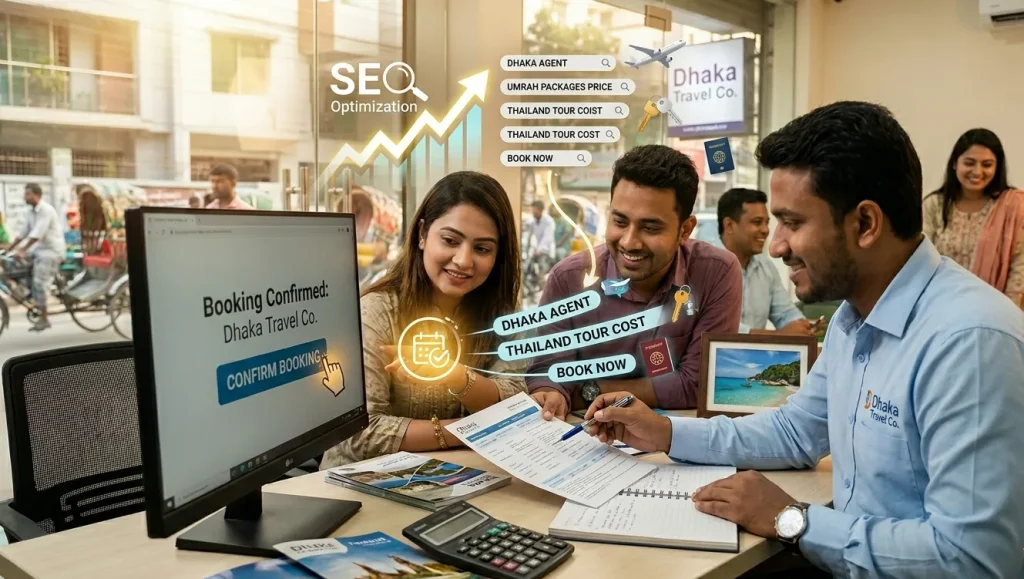
The Bigger Picture: SEO as a Booking Engine
SEO matters for travel agencies is far more than a ranking game. It is a strategic system designed to capture the right visitors — those who are already searching, already planning, already ready — and guide them smoothly from curiosity to confirmation.
When you:
- target the right high‑intent keywords,
- build a fast, user‑friendly website,
- publish helpful, conversion‑focused content,
- link smartly to packages and booking pages,
- dominate local search, and
- showcase real proof and reviews…
Content That Converts, Not Just Informs
Content is the heartbeat of travel SEO, but not all content drives bookings. The most successful agencies publish guides that solve real planning problems while naturally leading readers toward a purchase. Detailed destination breakdowns, realistic budget outlines, day-by-day itineraries, and honest hotel or tour comparisons position your agency as the authority travelers can rely on.
Consider a post like “5 Days in Cox’s Bazar: Complete Travel Plan with Budget.” It attracts organic search traffic, answers pressing questions, builds credibility, and creates a natural opening to link directly to your bookable packages. When content educates and guides, it pre-sells your services before a sales conversation ever begins.
Avoiding the Common Travel SEO Mistakes
Many agencies grow… and then stall — not from lack of content, but from simple, fixable errors.
Slow websites push users away.
No keyword strategy sends the wrong people to the site.
Weak, generic content fails to rank or convert.
Missing internal links break the user journey.
Outdated prices, routes, and offers damage credibility.
Fixing these issues — speeding up the site, defining a clear keyword map, writing useful guides, linking intentionally, and keeping information fresh — often produces a rapid jump in rankings and bookings. SEO is not magic; it is precision. Removing errors clears the path for real traffic to become real customers.
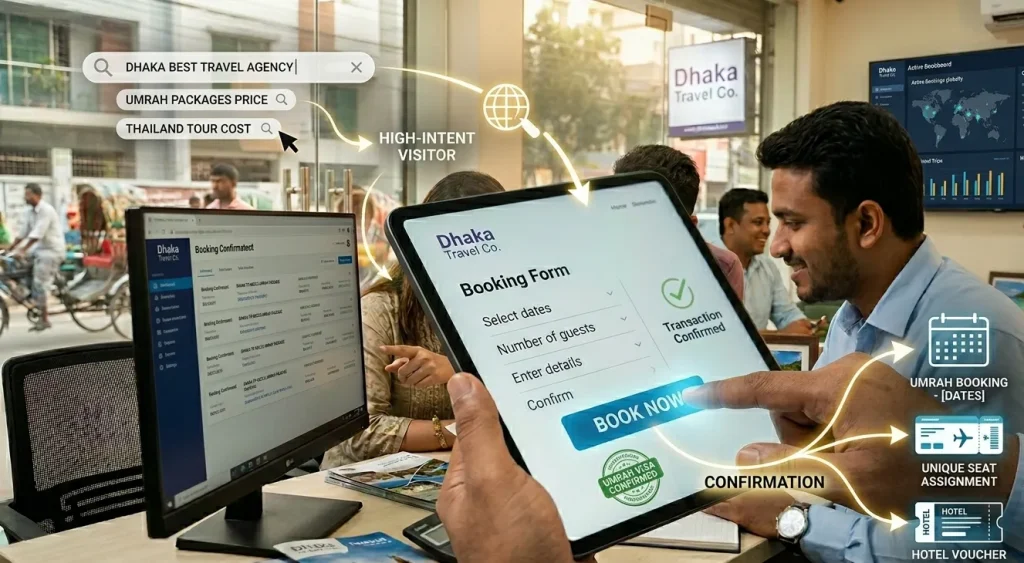
The Hidden Power of Strategic Internal Linking
Great content loses its power if it exists in isolation. Strategic internal linking is what transforms standalone blog posts into a cohesive conversion funnel. Every article should intentionally guide readers toward your commercial pages. A destination guide should link to relevant tour packages. A budget breakdown should connect to your booking engine. A seasonal travel tip should point to a limited-time offer.
This creates a clear, frictionless journey: a search query lands on your blog, the post builds trust and context, contextual links present the offer, and the visitor completes the booking. When you remove dead ends, you remove drop-offs.
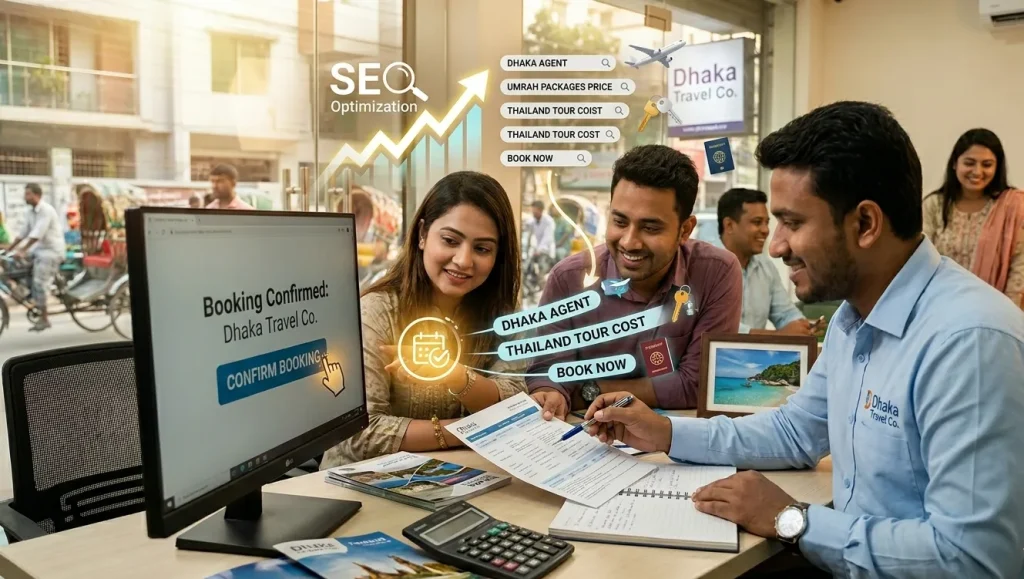
Winning Local Search and Building Unshakable Trust
For most travel agencies, geography is a competitive advantage. Local SEO ensures you capture travelers searching for agencies in your specific area. Claiming and optimizing your Google Business Profile, embedding location-specific keywords throughout your site, and consistently collecting genuine customer reviews will help you dominate “near me” and city-based searches.
But visibility alone isn’t enough. Travel is a high-consideration purchase, and trust is the currency that closes the sale. Showcase real traveler photos, detailed testimonials, and documented success stories directly on your service and blog pages. When prospects see proof that others have booked, traveled, and returned happy, hesitation turns into confidence.
Eliminating Costly Travel SEO Mistakes
Despite clear ROI, many agencies inadvertently limit their growth through avoidable travel SEO mistakes. Slow page speeds, missing keyword strategies, thin or duplicated content, broken internal links, and outdated pricing information are among the most common travel website SEO errors that silently drain traffic and kill conversions.
The frustrating part is that these issues are entirely fixable. Conducting a technical audit, compressing heavy images, implementing proper heading structures, adding schema markup, and ensuring every page serves a clear commercial or informational purpose can rapidly restore lost rankings. More importantly, it rebuilds the user experience that turns visitors into paying guests.
The Freshness Factor and Long-Term Rankings
The travel industry moves fast, so SEO matters for travel agencies. Flight routes change, visa requirements shift, hotel prices fluctuate, and seasonal recommendations expire. Google recognizes this, which is why content freshness heavily influences rankings. Publishing a guide once and forgetting it is a missed opportunity.
Revisiting your top-performing posts every three to six months to update pricing, verify links, refresh images, and add new insights signals to search engines that your site remains authoritative and reliable. It also tells travelers that your agency stays current, which directly impacts their willingness to book with you. Consistent updates protect your rankings and preserve your conversion rates.
Your Blog Is a 24/7 Booking Engine
SEO matters for travel agencies was never just about chasing traffic. It’s about attracting the right travelers, earning their trust, and guiding them effortlessly toward a confirmed reservation. When you align high-intent keywords with a frictionless website, publish content that solves real planning problems, connect every page through strategic internal links, dominate local search, and systematically eliminate common travel website SEO errors, your blog stops being a cost center and becomes a round-the-clock booking engine.
The travelers are already searching. The only question is whether your agency will be the one they find, trust, and book with. Start by auditing your current content, fixing technical leaks, and mapping every post to a clear conversion path. Do that consistently, and your booking calendar will begin to fill itself.
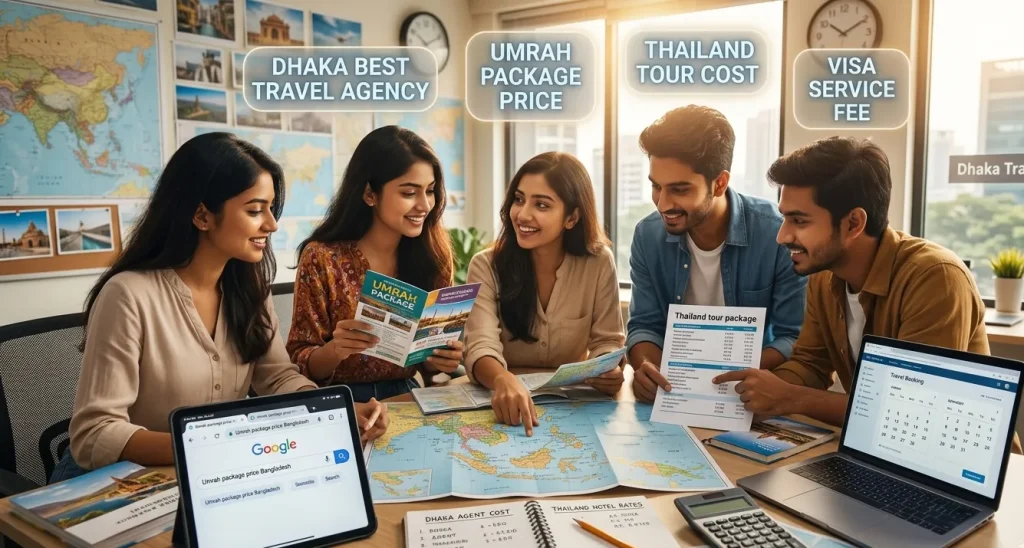
SEO for travel agencies is not just about getting traffic—it’s about attracting the right people and turning them into bookings. With blogwriting.services, you get content built around high-intent keywords that real travelers search for when they are ready to plan a trip.
Each blog post is designed to guide readers step by step, from helpful information to clear booking actions, using smart internal links and strong calls to action. At the same time, the content builds trust through detailed insights, honest explanations, and practical travel advice. This means your website doesn’t just get visitors—it converts them into customers, while you focus on running your travel business.

