
Startups and small businesses are discovering a powerful truth in 2026: consistent, smart blog writing is one of the most effective ways to grow organic traffic without big ad budgets.
Google’s AI systems now reward content that is genuinely helpful, well-structured, and built on real expertise. If you write the right way, your blog can rank higher, get featured in AI Overviews, and bring steady visitors month after month. Here are 10 practical blog writing tips that actually work in 2026 to drive more organic traffic.
1. Write for Real User Intent, Not Just Keywords
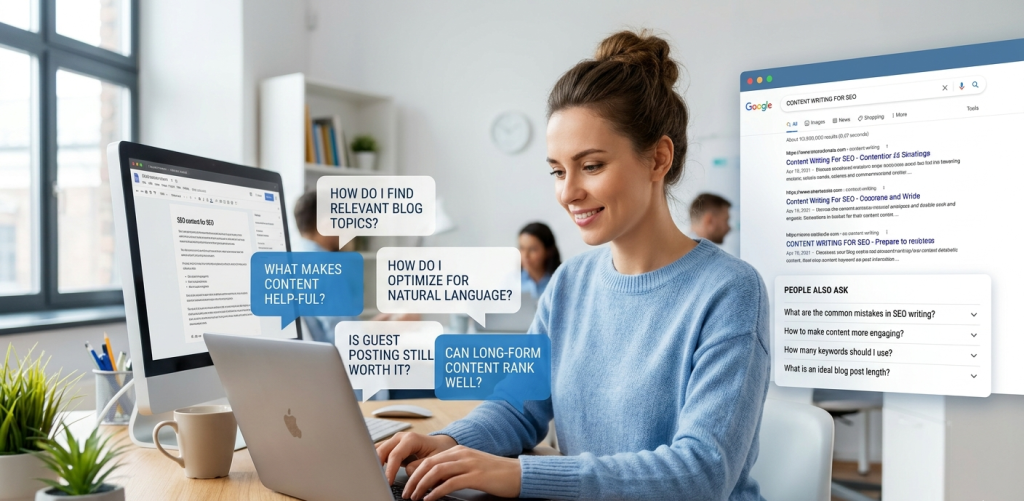
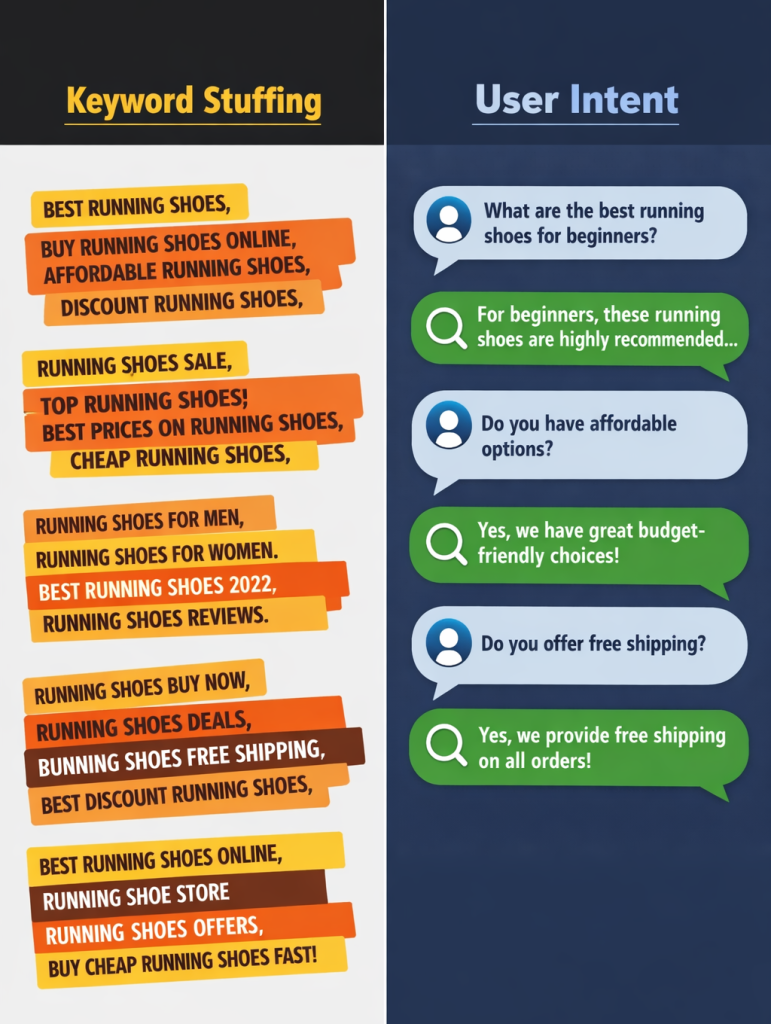
Stop stuffing keywords. Start answering the exact questions people are asking. In 2026, Google and AI search tools will understand full conversations. Write blog posts that feel like a helpful conversation with your reader.
How to do it:
- Research “People Also Ask” and AnswerThePublic for real questions.
- Answer the main question clearly in the first 2–3 sentences.
- Then expand with deeper explanations, examples, and steps.
This approach helps your content appear in AI Overviews and rank for long-tail searches.
2. Build Content Clusters Instead of Random Posts
One standalone blog post rarely ranks well anymore. Create topic clusters: one comprehensive pillar page + 8–15 supporting articles that link to it. This tells Google you are an authority on the entire topic.
Example cluster for a SaaS company:
- Pillar: “The Ultimate Guide to Project Management Tools in 2026”
- Supporting posts: “How to Choose the Righ t Tool for Remote Teams”, “10 Automation Features That Save 20 Hours a Week”, etc.
Clusters build topical authority faster and keep readers on your site longer.
3. Show Real Experience (E-E-A-T Is Non-Negotiable)
Google heavily favors content that demonstrates real Experience, Expertise, Authoritativeness, and Trust.
Include case studies, screenshots, before-and-after results, and personal insights from your team. Add author bios with real names and credentials. Readers and AI systems both trust content that feels authentic. This is one of the biggest ranking advantages for small businesses in 2026.
4. Use Clear Structure and Scannable Formatting
AI Overviews and busy readers love scannable content.
Use:
- Short paragraphs (3–4 lines max)
- Descriptive subheadings
- Bullet points and numbered lists
- Tables for comparisons
This makes your content easy for both humans and AI to extract and quote.
5. Start Every Post With a Direct Answer
In the age of zero-click searches, the first 100–150 words matter most. Give the core answer right at the top, then expand. This increases the chance your content gets featured in AI summaries and featured snippets.
6. Master Internal Linking
Internal links are now more powerful than many external backlinks. Link every new blog post to your pillar pages and related articles. Use natural, descriptive anchor text. This helps Google understand your content relationships and distribute authority across your site.
7. Create Original Research or Unique Insights
Generic content is losing value fast. Whenever possible, include original data, mini-surveys, case studies, or unique frameworks from your own experience. Original insights get shared more and cited by AI tools.
8. Update and Repurpose Old Content Regularly
Old content can be revived easily.
Every 3–6 months, review your top-performing posts. Add fresh data, new examples, and updated statistics. This keeps them ranking and brings extra traffic with almost no new writing effort.
9. Optimize for Both Humans and AI
Write for humans first, then make it AI-friendly.
- Use a conversational tone
- Add short, clear answer blocks
- Include FAQ schema and HowTo schema
- Make sure headings clearly state what the section answers
This dual optimization helps you win both traditional rankings and AI Overviews.
10. Be Consistent and Track Results
The biggest difference between successful and struggling blogs is consistency. Publish one high-quality post every 1–2 weeks. Track performance in Google Search Console and Analytics every month. Double down on what works and improve what doesn’t.
Quick 30-Day Starter Plan
- Week 1: Choose one topic cluster and outline the pillar page
- Week 2–3: Write and publish 2–3 supporting posts
- Week 4: Add internal links, schema, and promote on social media
Final Thoughts
Blogging in 2026 is no longer about writing more — it’s about writing smarter. Focus on real user intent, deep topical coverage, and genuine expertise. Use clear structure, strong internal linking, and consistent publishing. Do this well, and your blog will become a powerful, low-cost growth engine that keeps delivering traffic for years.
