
Selling a product is not only about quality and marketing. It also involves legal responsibility. Many businesses, especially startups, overlook this area and face serious problems later. Product-related legal issues can harm your brand reputation, reduce customer trust, and even lead to costly lawsuits.
From product compliance to consumer protection laws, every business must follow certain rules. Understanding these legal risks early helps you avoid mistakes and build a strong, trustworthy brand. This guide explains the most common product legal issues and offers practical ways to prevent them.
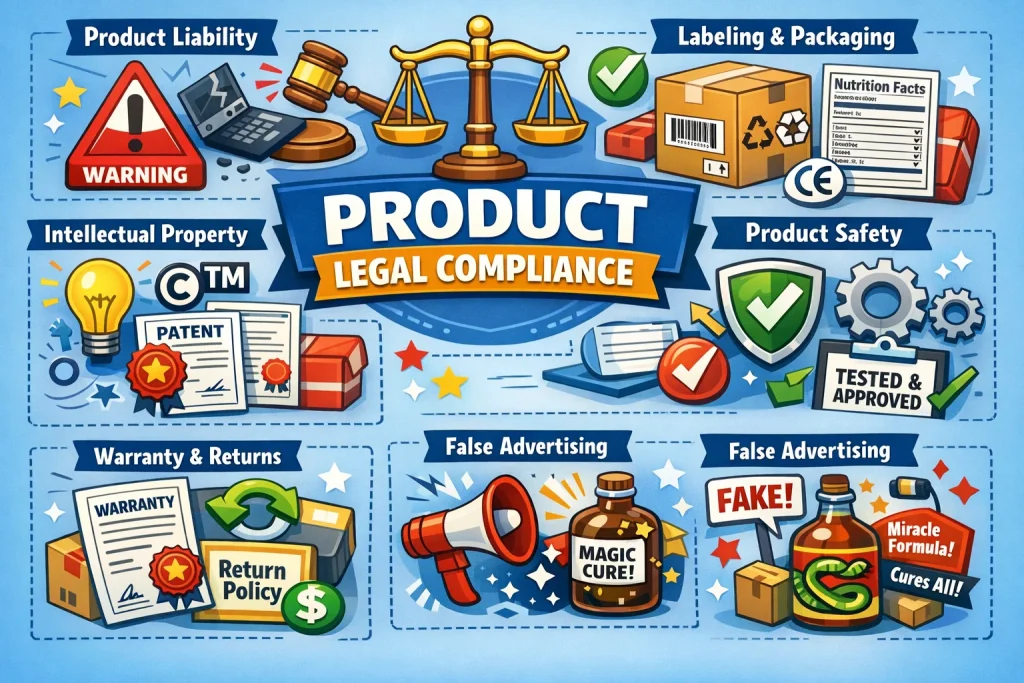
Product Liability Issues
What is Product Liability?
Product liability means a business is legally responsible if its product causes harm to users. This can happen due to defects in manufacturing, poor design, or missing safety instructions. For example, if a device overheats and injures a user, the company may face legal action.
Common Causes of Product Liability
Most product liability issues happen due to weak processes and a lack of testing. Common causes include:
- Poor quality control during production
- Unsafe or untested product design
- Missing warnings or unclear instructions
These problems often arise when businesses rush to launch products without proper checks.
How to Avoid Product Liability Issues
To reduce legal risks, businesses must focus on safety from the beginning. Always follow product safety standards and conduct proper testing before launch. Clear instructions and warning labels are essential for user safety. It is also wise to consider product liability insurance as an added layer of protection.
Labeling and Packaging Law Violations
Importance of Proper Labeling
Product labeling is a key part of legal compliance. It helps customers understand how to use a product safely and correctly. Consumer protection laws require businesses to provide accurate and complete information on packaging.
Important details often include ingredients, usage instructions, safety warnings, and expiry dates. Missing or incorrect information can lead to legal trouble and loss of customer trust.
Common Labeling Mistakes
Many businesses make simple but serious labeling errors. These include:
- Misleading product claims
- Missing required information
- Using unclear or confusing language
Such mistakes can easily attract penalties or customer complaints.
How to Stay Compliant with Labeling Laws
To stay compliant, businesses should carefully review all packaging before releasing products. Following local and international labeling standards is essential. Working with legal experts or compliance professionals can also help reduce risks and ensure accuracy.
Intellectual Property (IP) Issues
Types of IP in Products
Intellectual property protects your unique ideas and creations. It includes trademarks, copyrights, and patents. These elements help businesses secure their brand identity and innovations in a competitive market.
Common IP Problems
IP issues often arise when businesses use content or designs without permission. Common problems include copying another brand’s logo, using similar names, or selling products with unlicensed designs. These actions can result in legal disputes and financial loss.
How to Avoid IP Legal Risks
Businesses should always create original content and designs. Before launching a product, it is important to research existing trademarks and patents. Registering your own intellectual property adds legal protection and strengthens your brand authority.
Product Safety and Regulatory Compliance
Understanding Product Safety Standards
Every product must meet certain safety regulations before entering the market. These rules ensure that products are safe for consumers and meet quality standards. Ignoring these regulations can result in fines, recalls, or bans.
Common Safety Issues
Product safety problems usually come from poor planning or cost-cutting. Some common issues include:
- Use of harmful or low-quality materials
- Lack of proper testing
- Missing certifications
These mistakes can damage both customers and the business’s reputation.
How to Ensure Product Compliance
To maintain compliance, businesses should follow recognized safety standards and conduct tests through certified laboratories. Keeping proper documentation is also important, as it proves that your product meets legal requirements.
Warranty and Return Policy Issues
Understanding Warranties
A warranty is a promise about the quality and reliability of a product. It can be clearly stated (express warranty) or legally implied. Customers rely on warranties to feel confident about their purchase.
Common Warranty Problems
Many businesses face disputes due to unclear or unfair policies. Common issues include:
- Confusing return policies
- Ignoring valid warranty claims
- Poor customer communication
These problems often lead to negative reviews and legal complaints.
How to Avoid Warranty Disputes
Clear and simple policies are the best way to avoid disputes. Businesses should explain terms before purchase and ensure customers understand their rights. Training customer support teams can also improve the handling of warranty claims.
False Advertising and Misleading Claims
What is False Advertising?
False advertising happens when a business provides incorrect or exaggerated information about a product. This can mislead customers and violate consumer protection laws.
Common Marketing Mistakes
Businesses sometimes focus too much on selling and ignore accuracy. Common mistakes include:
- Overstating product benefits
- Hiding important terms and conditions
- Using misleading images or visuals
These actions can quickly damage trust and lead to penalties.
How to Stay Honest and Compliant
Honesty is the best strategy in marketing. Always provide accurate product descriptions and avoid exaggeration. Following advertising standards not only ensures compliance but also builds long-term customer trust.
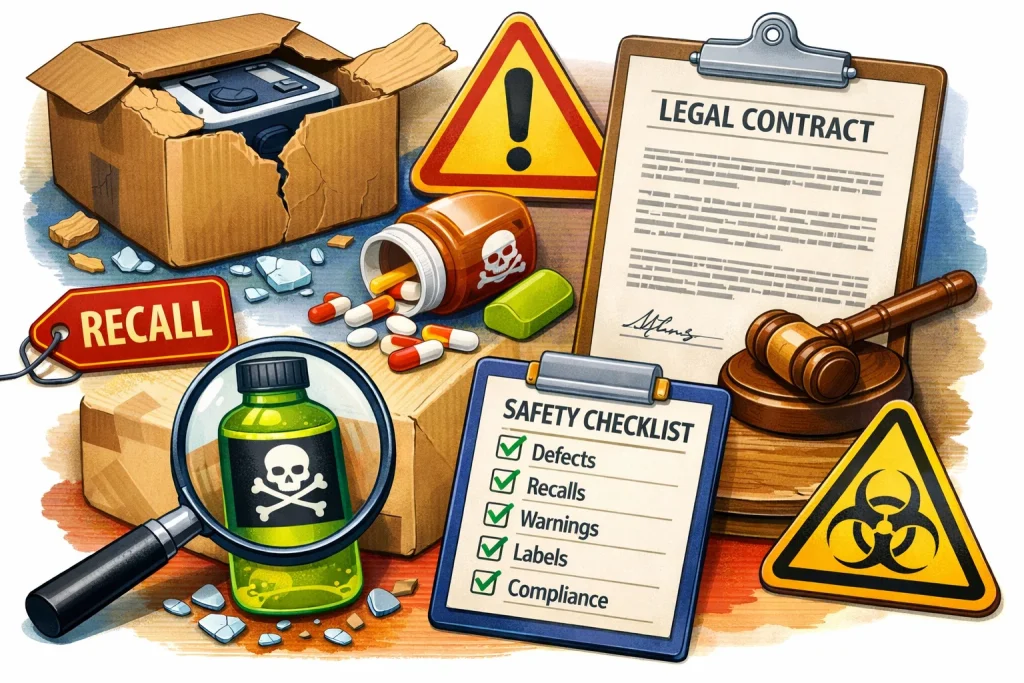
Best Practices for Businesses and Startups
Building a Compliance-First Approach
Businesses that prioritize compliance from the start face fewer legal problems. A proactive approach shows professionalism and builds credibility in the market.
Key Best Practices to Follow
- Conduct regular legal and compliance audits
- Stay updated with product compliance and consumer protection laws
- Maintain a checklist for legal requirements
- Work with experienced legal advisors
- Focus on transparency and customer trust
These practices help businesses grow safely and sustainably.
Step-by-Step Guide to Staying Legally Compliant
Step 1: Research Applicable Laws
Start by understanding all relevant laws in your target market. Different regions may have different product compliance requirements.
Step 2: Design Safe and Compliant Products
Safety should be part of the product design process. This reduces risks later.
Step 3: Test and Certify Products
Use approved testing labs to verify product safety and quality. Certification builds trust and ensures compliance.
Step 4: Ensure Proper Labeling and Documentation
Provide all necessary product information clearly. Proper documentation is essential for legal protection.
Step 5: Monitor and Update Compliance
Laws and regulations change over time. Businesses must stay updated and adjust their products accordingly.
Summery
Legal issues with products are common, but they are preventable with the right approach. By focusing on product safety standards, accurate labeling, and honest marketing, businesses can reduce legal risks significantly.
A strong commitment to compliance not only protects your business but also builds trust with customers. In today’s competitive market, trust and transparency are key to long-term success.
FAQs for Common Legal Issues with Products and How to Avoid Them
What are the most common product legal issues?
Product liability, labeling violations, intellectual property issues, and false advertising are the most common.
How can small businesses avoid legal risks?
They should follow compliance rules, stay informed about laws, and seek professional legal advice when needed.
Why is product labeling important?
It ensures customer safety and helps businesses meet legal requirements.
What happens if a product violates safety laws?
Businesses may face fines, product recalls, or legal action.
Do all products need legal compliance checks?
Yes, every product must meet relevant legal and safety standards before being sold.

