
The real estate business plays a crucial role in shaping the economies of developing countries. It involves the buying, selling, and management of land, residential, and commercial properties.
Beyond just building homes and offices, real estate drives economic growth, creates jobs, and improves infrastructure. In developing nations, where urbanization and population growth are rapid, a strong real estate sector can be a key engine for development.
This article explores how real estate impacts economic growth, employment, urban development, and the challenges faced by the sector. We will also discuss prospects and the role of policies in promoting a thriving real estate market.
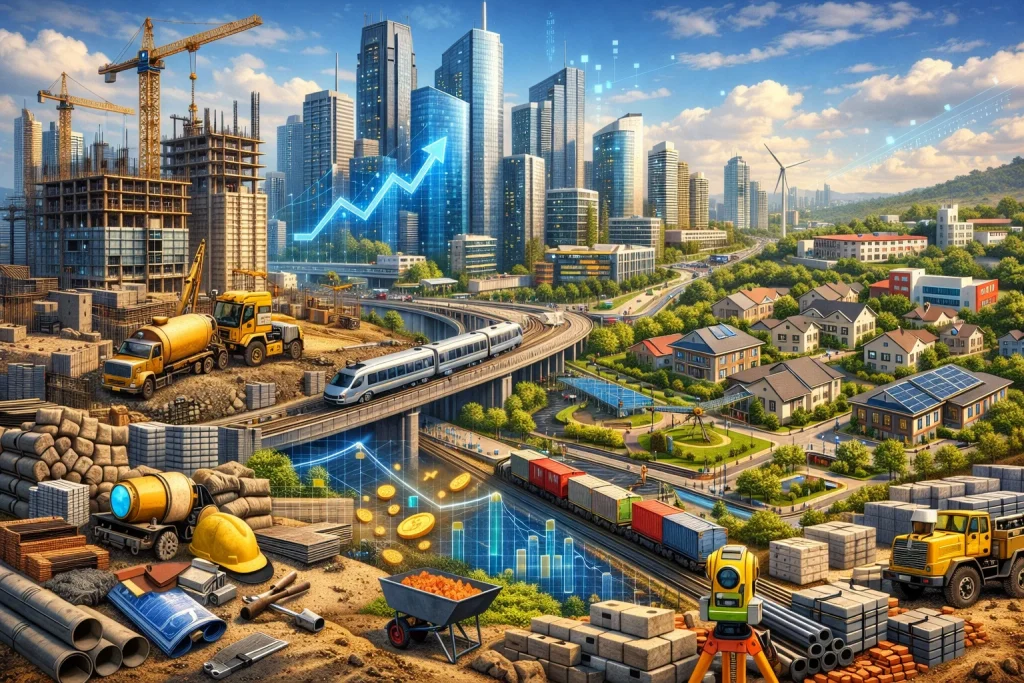
Economic Impact of Real Estate
Contribution to GDP
The real estate sector is often one of the largest contributors to the GDP of developing countries. Property development, sales, and rentals generate significant revenue for both private businesses and governments. Key points include:
- Real estate can account for 5-15% of GDP in many developing countries.
- Sales of residential and commercial properties inject money into the local economy.
- Rental income provides a steady cash flow for property owners and investors.
Investment Opportunities
Real estate attracts both local and foreign investors, creating more capital for development projects. Investment opportunities help boost the economy through:
- Foreign Direct Investment (FDI): International investors fund residential and commercial projects.
- Local investor participation: Small and medium-scale investors can participate in housing and commercial projects.
- Economic multiplier effect: Money invested in real estate circulates in construction, materials, and services.
Tax Revenue and Government Earnings
Real estate contributes significantly to government revenue, which can be used for public welfare and infrastructure development:
- Property taxes: Local governments collect taxes on property ownership.
- Registration fees: One-time fees during property transactions support administrative functions.
- Funding public projects: Revenue from real estate helps improve roads, schools, and hospitals.
Employment Generation
Direct Employment
The real estate sector directly employs millions of people in developing countries:
- Construction workers: Laborers, masons, carpenters, and electricians.
- Professionals: Architects, civil engineers, urban planners, and real estate agents.
- Skilled and unskilled labor: Offers job opportunities to diverse groups in society.
Indirect Employment
Real estate also stimulates growth in supporting industries, creating indirect jobs:
- Material suppliers: Cement, steel, tiles, paint, and furniture industries benefit.
- Home services: Cleaning, security, landscaping, and maintenance jobs increase.
- Local businesses: Shops, restaurants, and transport services thrive near new residential and commercial developments.
Urban Development and Infrastructure
Expansion of Cities
Real estate drives urbanization, shaping modern cities in developing countries:
- Construction of residential complexes meets the needs of growing populations.
- The development of commercial zones attracts businesses and services.
- Planned urban expansion reduces overcrowding in city centers.
Infrastructure Improvement
Real estate projects often require infrastructure development, which benefits the public:
- Roads and transport: New housing areas lead to better road networks and public transport.
- Utilities: Electricity, water, sewage, and internet services are upgraded.
- Modern facilities: Shopping malls, parks, and community centers improve lifestyle quality.
Social Benefits
The real estate sector can improve social living standards:
- Affordable housing projects: Help low-income families access safe homes.
- Community development: Residential complexes often include recreational areas, schools, and healthcare facilities.
- Lifestyle enhancement: Better housing and facilities contribute to a higher standard of living.
Challenges in Developing Countries
Regulatory and Legal Issues
Real estate in developing nations faces numerous legal and regulatory obstacles:
- Land ownership disputes delay projects.
- Complex approval processes increase costs and timelines.
- Inconsistent policies may discourage investors and developers.
Market Fluctuations
Property markets in developing countries can be volatile:
- Economic crises can reduce demand for property.
- Rapid price fluctuations make real estate risky for investors.
- Overbuilding in some areas may lead to vacant properties.
Financial Constraints
Funding remains a key challenge for both developers and buyers:
- Limited access to bank loans and mortgages slows down development.
- High construction costs may prevent affordable housing projects.
- Small investors often lack the capital to participate in large-scale projects.
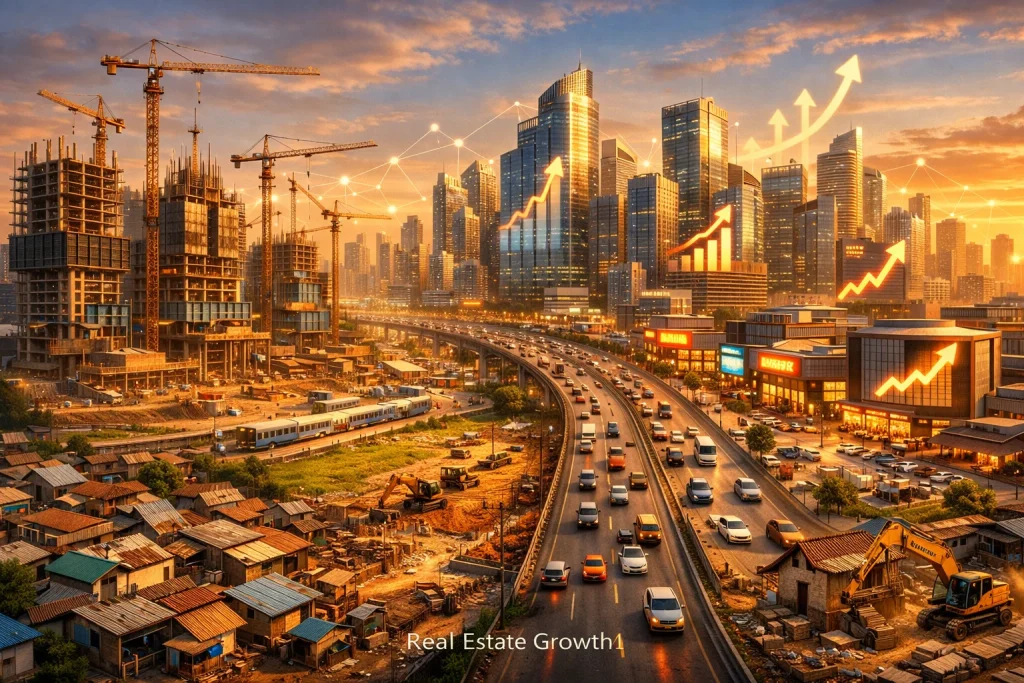
Future Prospects of Real Estate Business
Technological Advancements
The adoption of technology is reshaping real estate in developing countries:
- PropTech: Online property listings, digital transactions, and virtual tours streamline sales.
- Smart cities: IoT-enabled buildings improve energy efficiency and safety.
- Sustainable construction: Eco-friendly materials reduce costs and environmental impact.
Investment Growth Potential
The real estate sector holds immense growth potential:
- Rising population and urban migration increase demand for residential spaces.
- Commercial property demand grows as businesses expand.
- Both local and foreign investors see opportunities for high returns.
Policy Recommendations
Governments can play a vital role in fostering a healthy real estate market:
- Streamlined regulations to speed up project approvals.
- Incentives for affordable and sustainable housing development.
- Protection of investor rights to encourage both local and foreign investment.
Summery
The real estate business is more than building homes—it is a cornerstone for economic growth in developing countries. From contributing to GDP and creating jobs to improving urban infrastructure, its impact is far-reaching.
While challenges like regulatory issues and market fluctuations exist, technology, smart urban planning, and supportive policies provide immense opportunities. For developing nations, a thriving real estate sector is not just about property—it’s about shaping a prosperous future for the economy and society.
FAQs of Impact of Real Estate Business on Developing Country Economies
1. How does real estate investment help developing countries grow economically?
Real estate investment boosts GDP, attracts local and foreign capital, and supports infrastructure and community development.
2. What types of jobs does the real estate sector create?
It creates direct jobs like construction, architecture, and real estate services, and indirect jobs in supply chains and local businesses.
3. How does real estate influence urban development?
It drives city expansion, improves roads, utilities, and public services, and encourages organized residential and commercial zones.
4. What challenges do developers face in developing countries?
Key challenges include complex legal procedures, fluctuating property markets, funding limitations, and regulatory hurdles.
5. What trends are shaping the future of real estate in developing nations?
Technology, smart buildings, sustainable construction, rising urban demand, and supportive policies are shaping future growth.
