
Why Electric Vehicles Are Taking Over the Automotive Industry
Electric vehicles (EVs) are no longer a future idea. They are a present reality. Across the world, people are shifting from fuel-based cars to electric models. This change is happening fast. Rising fuel costs, climate concerns, and better technology drive it. Governments, businesses, and consumers all play a role in this shift.
The automotive industry is going through a major transformation. Traditional vehicles still exist, but their dominance is fading. Electric vehicles are gaining trust and market share. This article explains why EVs are taking over and how this shift benefits businesses and society.
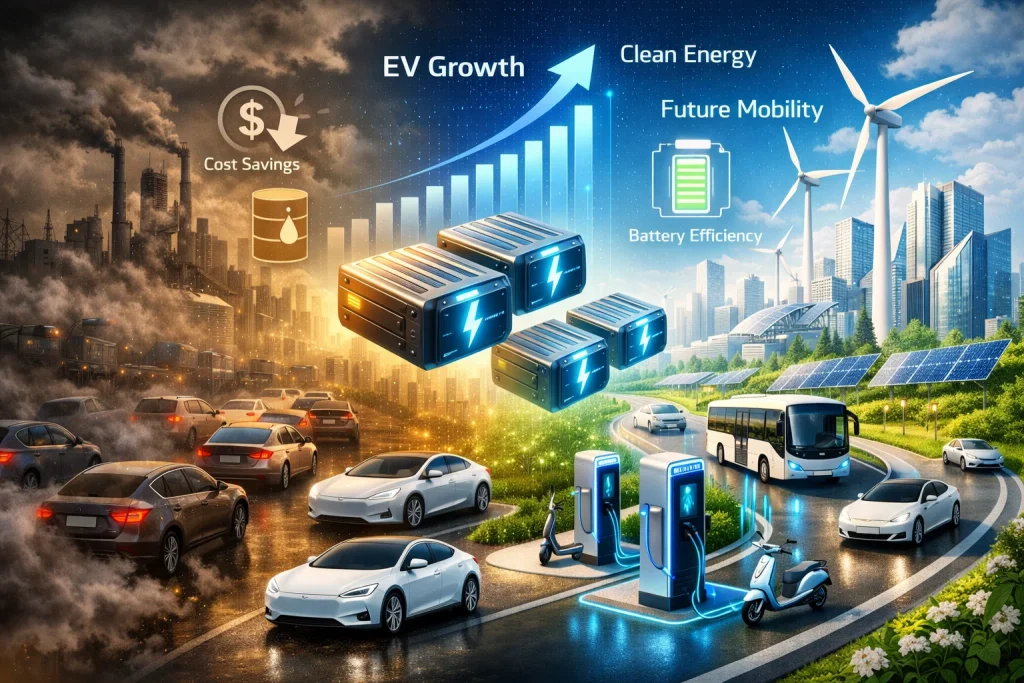
What Are Electric Vehicles (EVs)?
Electric vehicles use electricity as their main power source. They rely on batteries and electric motors instead of internal combustion engines. This makes them cleaner and more efficient.
There are different types of EVs, each designed for specific needs:
- Battery Electric Vehicles (BEVs): Fully electric and produce zero emissions
- Hybrid Electric Vehicles (HEVs): Combine fuel and electric power
- Plug-in Hybrid Vehicles (PHEVs): Rechargeable batteries with fuel backup
Each type supports the transition toward cleaner mobility. However, fully electric vehicles are leading the change.
Key Reasons Behind the Rise of Electric Vehicles
Environmental Benefits
One of the main reasons behind EV growth is environmental concern. Traditional vehicles release harmful gases like carbon dioxide. These emissions contribute to air pollution and climate change.
Electric vehicles do not produce tailpipe emissions. This helps reduce pollution in cities. Cleaner air improves public health. Many countries now focus on reducing carbon footprints. EV adoption supports this goal directly.
Lower Running and Maintenance Costs
Electric vehicles are more cost-efficient over time. While the initial cost may be higher, daily expenses are lower. Electricity costs less than petrol or diesel in most regions.
EVs also have fewer moving parts. They do not need oil changes or complex engine repairs. This reduces maintenance costs significantly. Over time, owners save a considerable amount of money.
Government Incentives and Policies
Governments play a strong role in EV adoption. Many countries offer incentives to encourage buyers. These include tax reductions, subsidies, and registration benefits.
Some governments also plan to ban fuel-powered cars in the future. This creates urgency for both consumers and manufacturers. Policies are pushing the industry toward electric mobility.
Advancements in Battery Technology
Battery technology has improved a lot in recent years. Modern EVs offer longer driving ranges. Charging times are also getting shorter.
Companies are investing heavily in research. New battery types are more efficient and durable. This makes EVs more practical for everyday use. Better batteries also reduce concerns about long-distance travel.
Rising Fuel Prices
Fuel prices continue to rise globally. This affects daily transportation costs. Many consumers now look for cheaper alternatives.
Electric vehicles offer a stable and lower-cost solution. Charging an EV is often more affordable than refueling a car. This makes EVs attractive for both individuals and businesses.
Electric Vehicles vs Traditional Vehicles
Cost Comparison
At first glance, EVs seem expensive. However, the long-term cost tells a different story. Fuel savings and low maintenance reduce overall expenses. Over time, EVs become more economical.
Performance and Efficiency
Electric vehicles provide smooth and quiet driving. They offer instant torque, which improves acceleration. This creates a better driving experience compared to many traditional cars.
Environmental Impact
EVs have a clear advantage in environmental impact. They reduce greenhouse gas emissions. Even when electricity comes from mixed sources, EVs remain cleaner than fuel vehicles.
Challenges Facing Electric Vehicles
Charging Infrastructure
Charging stations are still developing in many regions. Urban areas have better access, but rural areas face challenges. Limited charging points can make long trips difficult.
However, this situation is improving. Governments and private companies are investing in charging networks. Fast-charging stations are also becoming more common.
Battery Cost
Batteries are the most expensive part of an EV. This increases the initial purchase price. For some buyers, this cost can be a barrier.
But battery prices are gradually decreasing. As production increases, costs are expected to drop further. This will make EVs more affordable in the future.
Range Anxiety
Range anxiety refers to the fear of running out of battery power. This is a common concern among new users.
Modern EVs now offer better range. Many models can travel long distances on a single charge. Improved infrastructure also helps reduce this concern.
Future of Electric Vehicles
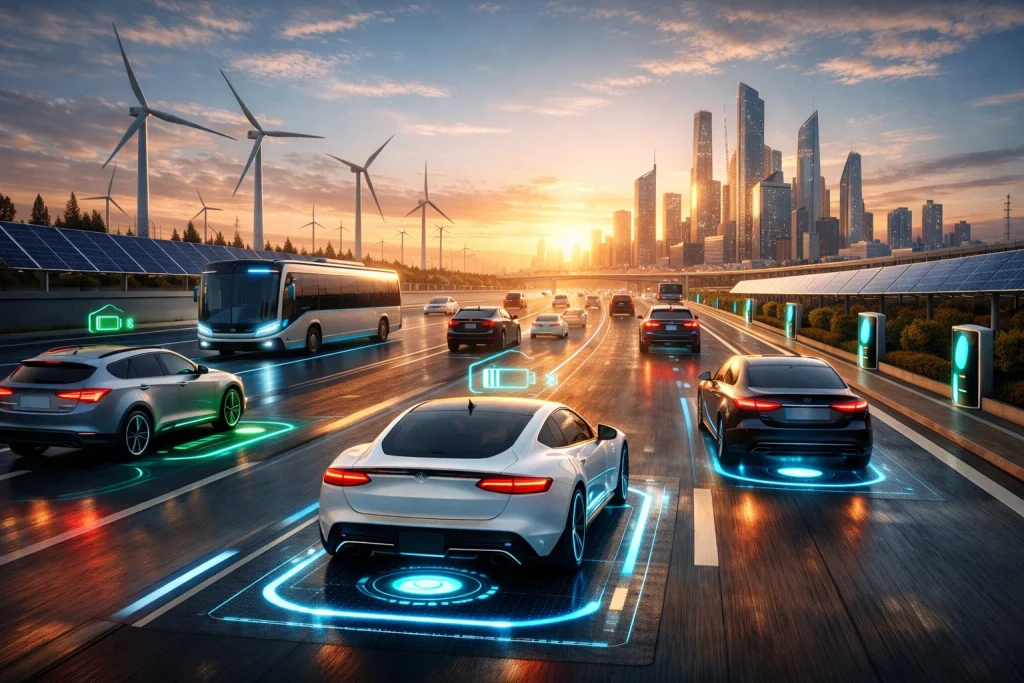
The future of electric vehicles looks strong and promising. Major automotive brands are investing in electric models. Many companies have announced plans to go fully electric in the coming years.
The global EV market is expanding rapidly. According to industry reports, EV sales are increasing each year. Technological innovation continues to improve performance and affordability.
Sustainable transportation is becoming a priority worldwide. Electric vehicles play a key role in this shift. As technology improves, EV adoption will become even more widespread.
How Businesses Benefit from Electric Vehicles
Cost Savings
Businesses that use EVs can reduce operating costs. Fuel savings and lower maintenance expenses improve profit margins. This is especially helpful for delivery and transport companies.
Brand Image and Sustainability
Consumers today value eco-friendly brands. Businesses that adopt EVs show commitment to sustainability. This builds trust and enhances brand reputation.
New Opportunities in the EV Industry
The rise of EVs creates new business opportunities. Companies can invest in:
- Charging station infrastructure
- Battery manufacturing and recycling
- EV maintenance and support services
These areas offer strong growth potential in the coming years.
Expert Insights and Industry Trends (E.E.A.T Focus)
Industry experts agree that EV adoption is not a temporary trend. It is a long-term shift. According to global automotive analysts, electric vehicles will dominate future markets.
Leading companies like Tesla, Toyota, and Volkswagen are expanding their EV lineups. Their investments show strong confidence in electric mobility. This adds credibility to the industry’s direction.
Research also shows that consumers are becoming more aware of environmental issues. This awareness drives demand for cleaner transportation options.
Summery
Electric vehicles are transforming the automotive industry. They offer environmental, economic, and technological advantages. While challenges still exist, progress is steady and strong.
The shift toward electric mobility is inevitable. Consumers, businesses, and governments all support this change. As a result, EVs are rapidly replacing traditional vehicles.
FAQs of Electric Vehicles Are Taking Over the Automotive Industry
What is the main advantage of electric vehicles?
Electric vehicles reduce pollution and lower operating costs.
Are electric vehicles affordable for everyone?
They may have higher upfront costs but offer long-term savings.
How long do EV batteries last?
Most EV batteries last between 8 and 15 years.
Is the charging infrastructure improving globally?
Yes, charging networks are expanding quickly in many countries.
Will electric vehicles fully replace traditional cars?
Over time, EVs are expected to dominate the market, but the transition will take years.

