
Why Economic Pressure Is Changing Travel Culture in Bangladesh
Travel has always been a meaningful part of life in Bangladesh. Families save money all year to visit places like Cox’s Bazar or Sylhet. Young people plan trips with friends during holidays. These moments bring joy, bonding, and a break from daily stress.
However, the situation is changing. Economic pressure is now shaping how people think about travel. Rising prices, unstable income, and daily expenses are forcing people to adjust their lifestyles. Travel is no longer a simple decision. It requires planning, budgeting, and sometimes sacrifice.
In recent years, many Bangladeshis have started to change their travel habits. They are choosing shorter trips, looking for budget options, and avoiding expensive destinations. This shift is not temporary. It reflects a deeper change in consumer behavior and financial awareness.
This article explores how economic pressure is transforming travel culture in Bangladesh, why it is happening, and what it means for the future.
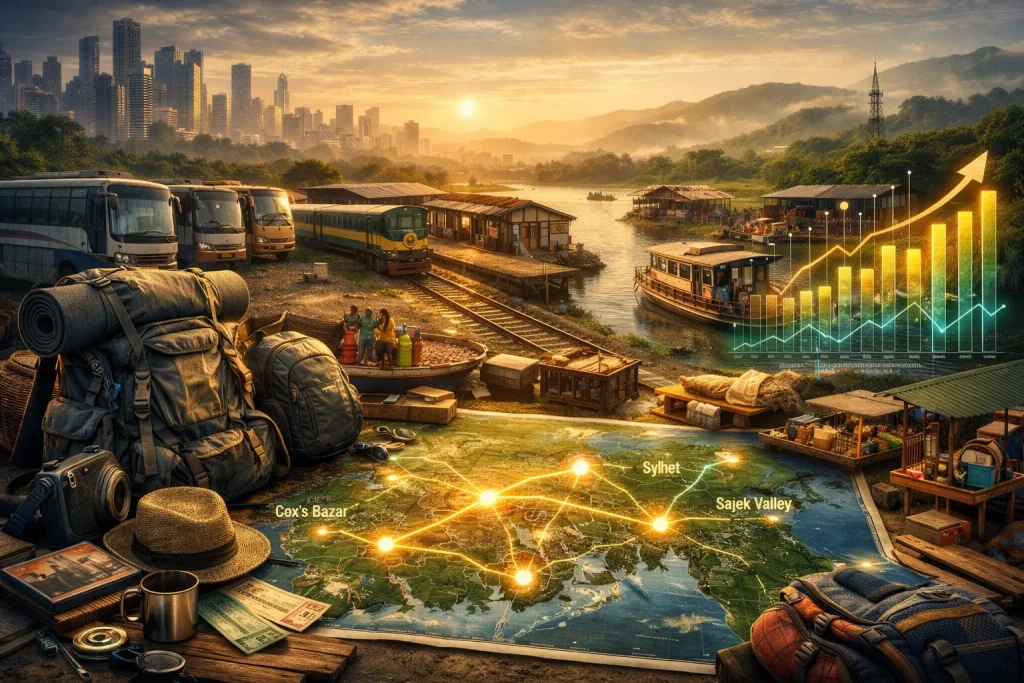
What Is Economic Pressure in Bangladesh?
Understanding the Current Situation
Economic pressure refers to the financial stress people feel when their income does not match their expenses. In Bangladesh, this pressure has increased in recent years due to several factors.
The cost of living is rising. Prices of food, fuel, transportation, and housing have increased. For many middle-class families, monthly expenses now take up most of their income. Savings are becoming harder.
At the same time, income growth is not keeping pace with inflation. Many workers and small business owners are struggling to maintain their standard of living. This creates a gap between what people earn and what they need to spend.
Everyday Impact on People
This financial stress affects daily decisions. People cut down on non-essential spending. Dining out, entertainment, and travel are often reduced first.
Travel, in particular, is seen as a luxury by many families. When budgets are tight, it becomes less of a priority. Instead of planning multiple trips a year, people now focus on saving money for essential needs such as education, healthcare, and housing.
This change in mindset is the foundation of the shift in travel culture.
How Travel Habits Are Changing
Shorter and Less Frequent Trips
One of the biggest changes is the reduction in travel frequency. Many families now travel less often. Instead of two or three trips a year, they may only plan one.
Trips are also becoming shorter. Weekend travel is growing in popularity because it costs less. People prefer destinations that can be reached quickly without spending much on transport or accommodation.
Careful Planning and Budget Control
Travel decisions are now more calculated. People compare prices, search for deals, and set strict budgets before making plans.
Spontaneous travel is becoming rare. Instead, travelers plan to avoid high costs. They track expenses and try to stay within limits.
Key Behavioral Shifts
- Preference for nearby destinations
- Reduced spending on luxury hotels
- Increased use of public transport
- Focus on value rather than comfort
These changes show a clear move toward practical and cost-conscious travel.
Rise of Budget Travel in Bangladesh
What Is Budget Travel?
Budget travel means traveling at a lower cost while still enjoying the experience. It focuses on saving money on transport, accommodation, and food.
In Bangladesh, budget travel is no longer a niche trend. It is becoming the standard choice for many travelers.
Popular Budget Strategies
Travelers are adopting several strategies to reduce costs:
- Choosing buses or trains instead of flights
- Traveling in groups to share expenses
- Booking low-cost hotels or guesthouses
- Planning day trips to avoid overnight stays
These methods help people enjoy travel without putting pressure on their finances.
Why Budget Travel Is Growing
There are clear reasons behind this trend. First, people want to continue traveling despite financial challenges. Second, digital tools make it easier to find affordable options. Third, social media promotes budget-friendly travel ideas.
Budget travel is not just about saving money. It is about making smarter choices.
Shift Toward Local Tourism
Growing Interest in Domestic Travel
Local tourism is becoming more popular across Bangladesh. Instead of international trips, people are exploring nearby destinations. This shift is driven by cost, convenience, and accessibility.
Traveling within the country requires less money and less planning. It also reduces risks related to currency exchange and international travel restrictions.
Popular and Emerging Destinations
Well-known places like Cox’s Bazar, Sylhet, and Sajek Valley remain popular. However, travelers are now exploring less expensive alternatives.
Rural areas, small towns, and natural spots are gaining attention. These destinations offer unique experiences at lower costs.
Benefits of Local Travel
Local tourism has several advantages:
- Lower travel expenses
- Support for local businesses
- Easier planning and shorter travel time
This shift is helping to diversify Bangladesh’s tourism landscape.
Impact on the Tourism Industry
Changes in Business Strategy
The tourism industry is adapting to these new trends. Hotels, travel agencies, and transport services are adjusting their offerings to match customer needs.
Many businesses now focus on budget-friendly packages. They offer discounts, group deals, and short-trip options.
Increased Competition
As more businesses target budget travelers, competition is increasing. Companies are trying to provide better value at lower prices. This benefits customers but also challenges businesses to maintain quality.
Opportunities and Challenges
The shift in travel culture creates both opportunities and challenges.
On one hand, there is a growing market for affordable travel services. On the other hand, profit margins may decrease due to lower pricing.
Businesses that understand customer needs and adapt quickly are more likely to succeed.
Digital Influence on Travel Decisions
Role of Online Platforms
Digital technology is playing a major role in shaping travel behavior. People use online platforms to research destinations, compare prices, and book services.
Websites and apps make it easy to find the best deals. Travelers can access information quickly and make informed decisions.
Social Media Impact
Social media platforms influence travel choices. Travelers share their experiences, tips, and budget strategies.
This content inspires others to explore similar options. It also promotes lesser-known destinations.
Smart Travel Planning
Digital tools help travelers plan efficiently. They can set budgets, track expenses, and find discounts.
This makes travel more accessible, even during times of economic pressure.
Future of Travel Culture in Bangladesh
Long-Term Trends
The shift toward budget and local travel is likely to continue. People are becoming more financially aware. They are learning to manage their expenses better.
Even if economic conditions improve, these habits may remain. Budget travel could become a permanent part of the culture.
Possible Changes Ahead
However, some changes may occur in the future. If income levels rise and inflation stabilizes, international travel may increase again.
Travelers may also seek a balance between cost and comfort. They may be willing to spend more on certain experiences while saving on others.
A New Travel Mindset
A new mindset will shape the future of travel in Bangladesh. People will continue to value experiences, but they will also prioritize financial stability.
This balance will define the next phase of travel culture.
Conclusion
Economic pressure is clearly transforming travel culture in Bangladesh. Rising costs and financial challenges are changing how people plan and experience travel.
Travelers are now more careful, more informed, and more budget-conscious. They prefer short trips, local destinations, and affordable options.
At the same time, the tourism industry is evolving to meet these new demands. Businesses are adapting, and new opportunities are emerging.
Travel is not disappearing. It is evolving into a more practical and sustainable form. This change reflects a broader shift in lifestyle and priorities across Bangladesh.
FAQs for Why Economic Pressure Is Changing Travel Culture in Bangladesh
What is causing economic pressure in Bangladesh?
Rising living costs, inflation, and slow income growth are the main causes.
How has travel behavior changed due to economic pressure?
People are traveling less often and choosing cheaper options.
Why is budget travel becoming popular?
It allows people to travel without overspending during financial challenges.
Is local tourism increasing in Bangladesh?
Yes, more people are choosing nearby destinations to save money.
How are travel businesses responding to these changes?
They offer budget packages, discounts, and flexible travel options.
Will travel trends change in the future?
Trends may evolve, but budget-conscious travel is likely to remain important.

